
Whey, Vegan, or… Insects? What You Should Know About Protein Powders
What’s the Deal With Protein Powders?
With surging interest in protein, there is an ever-growing demand for protein supplements, including powders, bars, and ready-to-drink shakes (RTDs). But with so many products to choose from, what is the best option? And what are the differences between individual types of supplements?
This is a big question that cannot be answered in a single article, so today we will focus exclusively on protein powders, one of the most common (and economical) types of protein supplements.

Do I Need Protein Supplements?
Before we dig into the meat (pun intended), we need to start with a more basic question. Who should take protein supplements?
Let’s start with the Recommended Dietary Allowance (RDA), which is the amount of a nutrient you need to meet your basic nutritional requirements. In a sense, it’s the minimum amount you need to keep from getting sick—not the specific amount you are supposed to eat every day. The RDA is how much protein you “need” day to day. The calculus for this is quite easy: simply multiply your body weight by .36, and that is how many grams of protein you should be eating daily. So, for example, if you weigh 150 lbs, your daily intake should be around 54 grams. But how much is that?
Most Americans hit their RDA for protein without much difficulty. For example, an average chicken breast contains around 30 grams of protein. A single cup of Greek yogurt has around 12 grams, and lunchmeat has at least 10 grams, depending on how much meat you use. A large glass of whole milk has about 15 grams, and two scrambled eggs with three slices of bacon have about 28 grams. If it’s a fish Friday, a salmon filet may have a whopping 30 grams. Anything you put cheese on will also boost your protein intake. As you can see, protein adds up relatively quickly.
Do I Need More Than the RDA?
There are certain people who can benefit from protein intake levels above the RDA. For example:
- Pregnant and nursing mothers.
- People engaged in continued, strenuous physical activity, whether for work or athletics.
- Pubescent children.
- People engaged in a weight-training regimen to build muscle mass.
- Those recovering from a prolonged injury or illness.
- Adults at the higher end of middle age. (For the prevention of sarcopenia, the loss of muscle mass associated with aging.)
- You are eating in a calorie deficit to lose weight.
If you fall into one of these categories, protein supplements might be an ideal option to boost your protein intake.
Whey Protein Powder
Protein powder is a popular dietary supplement that’s basically concentrated protein turned into a fine, easy-to-mix powder. Protein powders are made by extracting and processing protein from sources. People typically mix a scoop of it with water, milk, or into smoothies to make a quick protein shake. This helps boost protein intake and offers an easy way to get more protein into the diet without eating large meals.
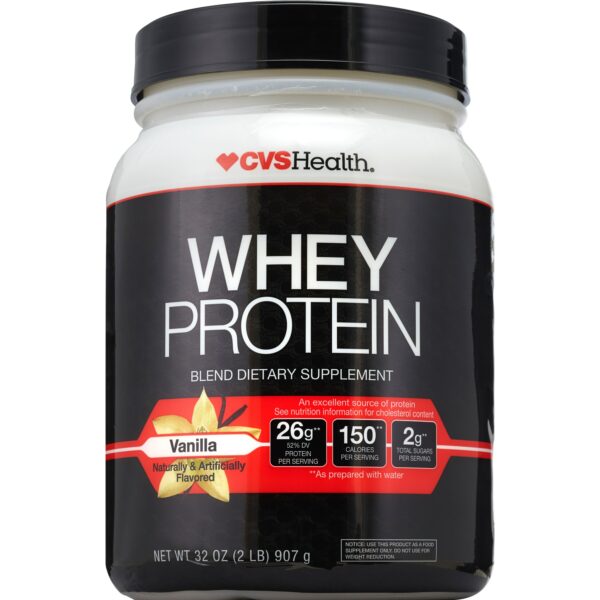
The most popular type of protein powder is whey. Whey protein powder is derived from the liquid byproduct of cheese production (whey), known for its complete amino acid profile and rapid absorption. Whey protein powders are commonly available as concentrate (with some carbs and fats) or isolate (purer and lower in lactose).
It is easy to tell if your protein powder is whey because it will say “whey” somewhere on the label. For most people, whey protein powder is the best option and is most reasonably priced.
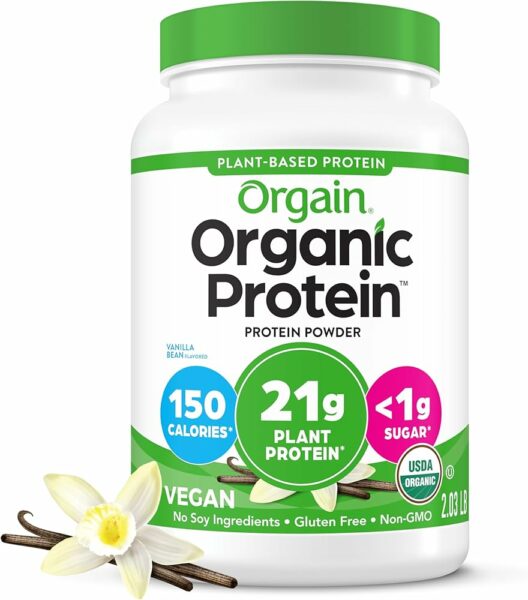
Vegan Protein Powder
For people who have difficulty digesting cheese-based products, however, vegan protein powder provides an attractive alternative. Vegan protein powders are plant-based, with protein derived from soybeans, peas, brown rice, and hemp, extracted and concentrated into a powder, often blended to create a complete amino acid profile. Vegan protein powders provide a solid dairy-free source of protein for vegans or those with lactose intolerance. As with whey proteins, plant-based protein powders are clearly identifiable by their packaging, which includes words like “plant,” “vegan,” or (sometimes) “organic.” While plant-based protein powders are just as good a source of protein as whey, they are often a few dollars pricier.
But… Do Protein Powders Have Bugs in Them?
I have found that when discussing protein powders with homeschooling families, many have concerns about insects being used as a protein source. They’ve heard that protein powders are a scam to get us to “eat ze bugs.” Do protein powders have insect components in them?
The answer is yes and no. Yes, some are made with insect components. However, they are clearly labeled as such. No, insect derivatives are not snuck into your common whey and plant-based powders under the radar.
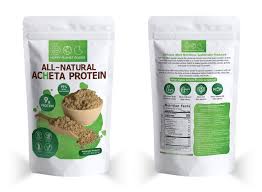
Some people desire insect-based protein powders because insects are an exceptionally good source of protein. Powders made from crickets, mealworms, and grasshoppers. These are sold as alternatives and are clearly labeled as such, based on the insect used, as required by law. Brands that contain insect powder may use Latin names for the insect, such as Acheta (the scientific name for a cricket), Tenebrio (mealworms), or Grillons (the French word for cricket).
The vast majority of these insect-based protein powders are produced for a very small, niche consumer base. They are not typically available over the counter at most stores. Yes, insect-based protein powder is a thing, but it’s almost impossible for you to buy by accident. You can be confident that your whey and plant-based protein powders are insect-free.
How Much Extra Protein Do I Need?
Even if you fall into one of the categories mentioned above, you do not need that much extra protein. While scientists debate how much protein the body can metabolize in a single day, there is a general consensus that almost no one needs more than 1g per pound of body weight. A recent USDA study found that most adult males consume far too much protein per day, especially from meat, poultry, and eggs.
That being said, there are times when a scoop of protein powder is helpful. Your average scoop of protein powder will add about 26 grams of protein to your daily intake. I find this helpful when I have had a protein-light meal earlier in the day and want to balance things out (e.g., if I had a cinnamon roll for breakfast). Or when I know I will be eating something protein-light for dinner (e.g., spaghetti). Being able to mix it into yogurt, smoothies, cottage cheese, and oatmeal makes it a versatile option for boosting your daily protein intake.
Should protein powders replace unprocessed sources of protein like meat, eggs, and fish? Absolutely not. But it is another tool in your dietary toolbox to help you achieve your health and wellness goals.