Why Fitness Education Matters for Homeschool Teens: New Exercise Science Course
Over the last few years, health and fitness have become extremely important parts of my daily life. As an online instructor who has spent years sitting at a computer, I am keenly aware of how important it is to maintain a healthy, active lifestyle.
Several years ago, I made the conscious decision to counterbalance my hours behind the screen by spending as much time as I could staying physically fit—running, hiking, lifting weights, and eating a healthy diet.
The results were absolutely transformative!

The Growing Risks of Sedentary Living
I started to love this active part of my life more and more. Gradually, I started learning everything I could about fitness, culminating in completing a personal training certification program through the American Council on Exercise last year. The experience has convinced me that health and nutrition are more important than ever today, especially given the increasingly sedentary nature of modern life.
For example, did you know that:
- The five biggest risk factors for premature death are all related to lifestyle?
- Around 60% of premature deaths could have been prevented with better lifestyle choices?
- Many conditions that people associate with “just getting older” are lifestyle-related rather than inevitable?
- Sedentary habits are responsible for the most common postural deviations in teens?
- Teens’ complaints of lack of focus and energy are often diet-related?
Exercise Science for Teens
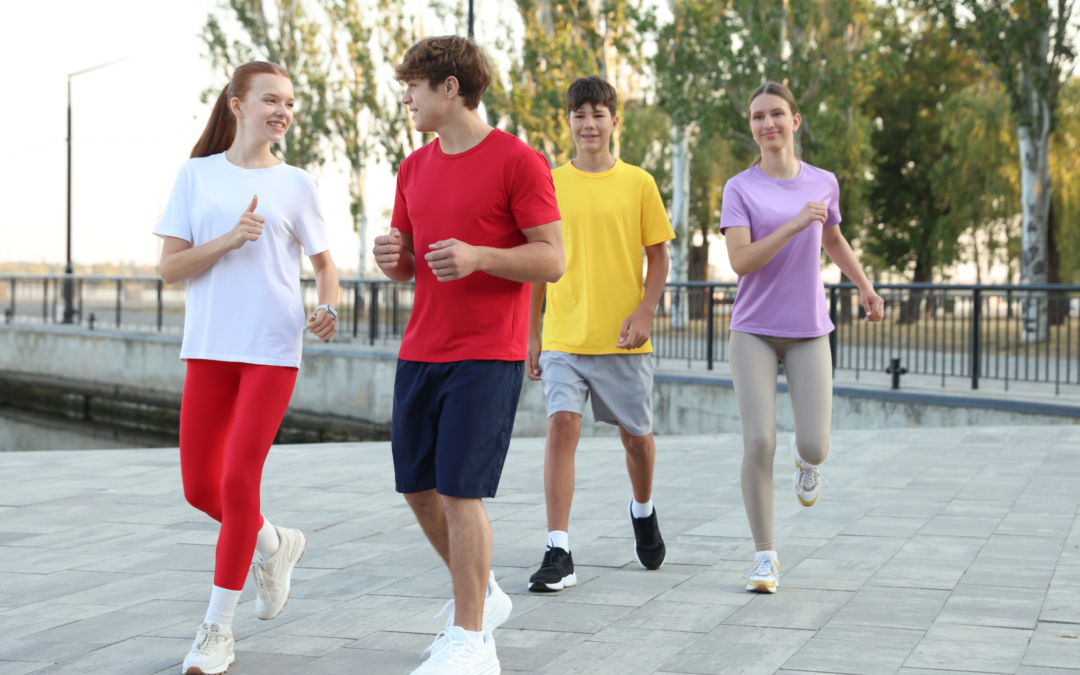
This year, I decided to put my years of training and study to use by developing a new online course for Homeschool Connections. Exercise Science for high schoolers will be taught in the spring of 2027. It will then become a recorded, independent-learning course through Unlimited Access.
In this course, teens will discover the science behind a strong, healthy body and lifestyle. Teens will explore the fundamentals of behavior change and smart lifestyle choices. We will dive into cardiorespiratory and muscular health, learn practical nutrition principles for lasting wellness, and master weight training and cardiovascular basics. Students will come to understand biomechanics across major muscle groups, address postural issues, and prioritize recovery and hydration. Additionally, they will gain insights into training safely with chronic conditions while building discipline and realistic expectations.
This engaging course will combine science with real-world application to empower young people to make informed decisions about their physical health and fitness for life—perfect for any teen interested in feeling stronger, more confident, and better prepared for an active future.
Here’s an outline of what we will be discussing in the course:
Class 1. The Fundamentals of Behavior Change: Why do so many people resolve to “get fit” and then fail? What does behavioral science tell us about effective behavior change, and how can we make lifestyle choices we are capable of sticking with over the long run?
Class 2. Lifestyle Choices: Benefits and Risk Factors: What is the real correlation between our lifestyle and the most common rsik factors to human health? Conversely, how can we achieve positive outcomes for our health through better lifestyle choices?
Class 3. Cardiorespiratory Health: What does the cardiovascular system do, how does it function, and how does cardiovascular strength factor into health and wellness?
Class 4. Muscular Health: Overview of our body’s musculoskeletal system, how muscles work, and how muscular strength impacts overall health.
Class 5. Nutrition Basics: How does our body process nutrients for its basic processes and how does our body make use of different macronutrient groups in producing energy?
Class 6. Principles of Diet for Sustainable Health: How can we create a diet that serves our overall health goals? What are the sustainable habits of healthy eating for weight maintenance, gain, and loss?
Class 7. Weight Training Fundamentals: Introduction to the basic principles of weight training, including form, range of motion, intensity, duration, and recovery.
Class 8. Cardiovascular Training Fundamentals: Introduction to the basic principles of cardiovascular training, including intensity, duration, and how cardio relates to weight loss.
Class 9. Postural Deviations and Chronic Health Conditions: How do common postural problems or chronic health conditions affect how to structure one’s training?
Class 10. Biomechanics of the Chest and Back: Identifying the major muscle groups of the back and chest, how they function, and what exercises are best for developing these parts of the body.
Class 11. Biomechanics of the Arms and Shoulders: Identifying the major muscle groups of the arms and shoulders, how they function, and what exercises are best for developing these parts of the body.
Class 12. Biomechanics of the Legs: The body’s biggest muscular groups are in the lower body. We will study how the legs support and move the body, identify its major muscle groups, and outline effective leg exercises.
Class 13. Recovery, Rest, and Hydration: Muscle growth does not happen in the gym but during rest times after a workout. How do recovery, sleep, and hydration factor into muscle growth?
Class 14. Maintaining Discipline and Managing Expectations: How do we maintain discipline over the long term of our fitness journey and manage our expectations in the face of inevitable setbacks and difficulties?
To Register
If you’d like to register, you can visit the course’s Caravel link. And if you’re thinking, “This sounds great, but we really don’t have the time for it,” remember that health is a precondition for everything else in life. Whether we’re talking about work, study, socializing, hobbies, or anything else, health is the fundamental prerequisite that makes it all possible. You cannot effectively study or dance or travel or do anything if your health is poor. Why not equip your kids with the habits that will encourage them to prioritize health so they can continue to enjoy all the opportunities life has to offer? Health education is a gift that keeps on giving!
Course Details
Course Name: Exercise Science
When: Spring 2027 Semester: Thursdays, Jan. 14 to April 29, 1:00 PM EST
Duration: 60 mins
Level: 9th-12th grade (high school only)
Credit: This class counts as one semester credit for Physical Education or Health Science.
To register: https://caravel.homeschoolconnections.com/catalog/2045004552
What are your thoughts on this topic? I invite you to join the discussion with other homeschooling parents and me in the Homeschool Connections Community or our Facebook group. And make sure to check out all of the Homeschool Connections’ Homeschool Physical Science (PE) articles!