Homeschooling and Parochial Schools
Catholics who have spent decades homeschooling know that, generally speaking, Catholic dioceses have not always been enthusiastic about embracing home educators. This opposition could manifest in various ways, including failing to recognize the unique pastoral needs of homeschooling families, pushing them into parochial educational programs, or showing reluctance to allow homeschooling groups to use parish facilities. Sometimes, homeschooling was even openly criticized from the pulpit or in official publications, or simply ignored altogether.
Thankfully, anti-homeschooling antagonism is not universal. In fact, the situation has improved greatly in recent years. In fact, it has become increasingly clear that homeschoolers are a boon to Catholic parishes and diocesan life. There are, nevertheless, pockets of hostility to homeschooling throughout the Catholic world that families may encounter from time to time. It can be quite disheartening when this happens.
The reasons for this friction are complex, rooted in history and Church culture. In this first installment of a two-part series, we will discuss the history behind this dynamic. The follow-up article will offer positive reasons why Catholic dioceses and parishes should embrace Catholic homeschooling.
The Rise of the Parochial System
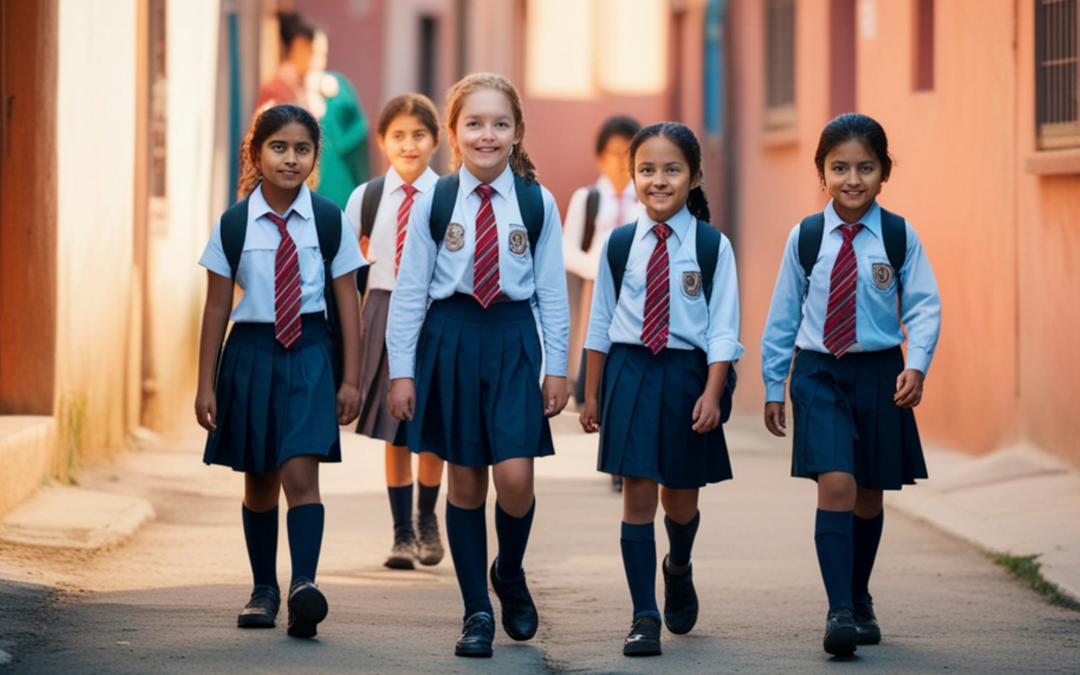
During the 19th and 20th centuries, the Catholic Church in the United States established an impressive infrastructure of Catholic parochial schools. The network of parochial schools was vast and complex, often rivaling public schools in terms of facilities and enrollment. Generally staffed by priests and religious, these schools offered high-quality, affordable Catholic education to even the poorest Catholic families.
Given the widespread availability of Catholic schools and the low cost of tuition, Catholic families were expected to send their children to parochial schools. In the United States, the Third Plenary Council of Baltimore (1884) even decreed that Catholics had a moral obligation to send their children to parochial school on pain of sin.
Parochial school was simply what was expected of good Catholic families, and for many decades, the vitality of the American Church itself was bound to the parochial school system. It was the primary means of delivering the faith to young people, an incubator for priestly and religious vocations, and a social adhesive that held Catholic communities together.
In the Aftermath of the Second Vatican Council
The situation became complicated after the 1960s for several reasons. For one thing, the collapse in religious life and priestly vocations after the Second Vatican Council left parochial schools largely bereft of teachers. Parishes had to compensate by bringing in lay educators, who required much higher salaries than their clerical and religious predecessors. This caused tuition to rise astronomically, which diminished the number of families who could afford parochial school. The increasing bureaucratization of schools throughout the late 20th century (for example, the proliferation of support staff, credentialing requirements, legal fees, and insurance costs) further inflated tuition.
Furthermore, the doctrinal confusion that settled into the Church during the 1970s led to some parochial schools where education was Catholic in name only. A number of schools even deteriorated to the point where attending them was positively dangerous to faith. This resulted in faithful Catholic families avoiding the Catholic schools in search of more orthodox options for educating their children. This led to the rise of Catholic homeschooling as an alternative in the 1970s and 1980s, as parents sought cost-effective, orthodox educational options.
A Contest for Catholic Education
For the Church, then, homeschooling emerged as a rival to the embattled parochial school system. With so many challenges facing the Catholic schools, the existence of Catholic homeschoolers seemed like an affront to the venerable parochial system. From the perspective of diocesan authorities, what the struggling Catholic schools needed most was solid Catholic families to support them.
The hesitancy of homeschoolers to enroll in parochial schools rubbed salt in the wound. At the very moment when enrollments were dropping, when the very existence of the parochial school system was hanging in the balance, Catholic homeschool families withholding their children from enrollment were positively hurting enrollment in the Catholic schools.
In short, homeschooling was not viewed as aiding the Church’s mission but rather as a competitor to it.
This hostility can be especially pronounced in parishes struggling to support their parochial school. For a pastor working to keep a parish school afloat on a shoestring budget where tuition barely covers expenses, the presence of homeschooling families can feel like an existential threat to the parish school. Such pastors may be reluctant to offer any visible support to homeschooling or homeschooling families. After all, public recognition of homeschooling might encourage more families to opt out of parochial schools and embrace it as a cheaper, more flexible alternative. It is not unheard of for pastors in such parishes to consider homeschooling as something to be carefully contained rather than nurtured.
I am, however, convinced that it is a mistake to view homeschoolers this way. In tomorrow’s article, we’ll review some key reasons why Catholic dioceses should view homeschooling as complementary, not a rival, to parochial schools.