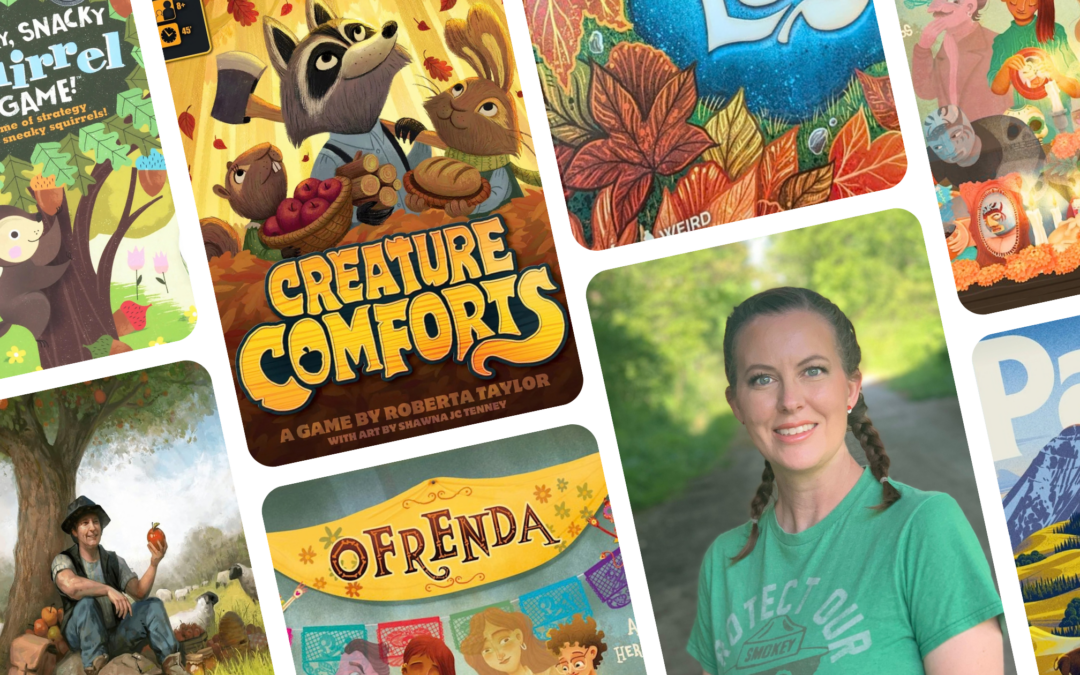
6 Fall Board Games for Homeschoolers
Roll Call: Fall Into Gameschooling
Changing leaves, cooler weather, woodland animals, autumn hikes, pumpkin spice is in the air… or, well, everywhere you turn, yes, fall is here!
Even though I squeal with delight when pumpkin flavors hit the coffee shops, what I love more is pulling out the autumn-themed board games. It all FALLS into place naturally! It’s darker earlier, warm drinks are at hand, and I’ve got a list of games you can bring to your table!

Seasonal games create easy learning opportunities without turning into a full-fledged lesson. Start by playing, and lean into whatever curiosity comes up! I have a list of everything from acorns to National Parks to cultural traditions that fit the fall mood, in the comfort of your own home!
Fall gameschooling uses seasonal board games to build skills such as strategy, geography, science, problem-solving, fine motor skills, and cultural awareness through play. Families can extend the learning naturally by exploring topics that come up during the game, from changing leaves and animal habitats to National Parks and cultural traditions.
Leaf: A Fall Ecosystem & Strategy Game
Game Time: 30-45 min | Players: 1-4 | Ages: 10+
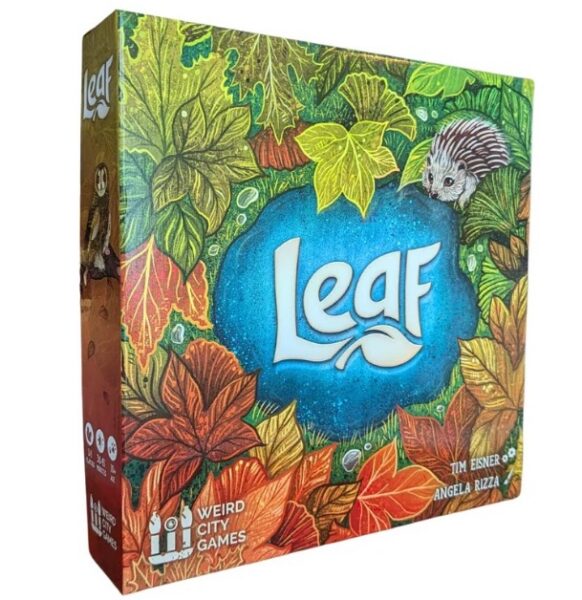
Leaf is about as fall-themed as it gets! If you’re looking for something incredibly thematic, Leaf is a great option. In Leaf, players help the leaves gently fall to the forest floor and create a habitable forest where woodland creatures can thrive. Players will help grow mushrooms, feed squirrels, help the bears prepare to hibernate, and so much more.
Think carefully about where you place your leaves to gain more cards and sun tokens, and ultimately have the healthiest forest. I’d much rather help the bears and squirrels from my game table than feed them outside while I’m hiking or camping!
Learning Cargo
- Spatial Reasoning
- Strategic Planning
- Pattern Recognition
- Habitats and Ecosystems
Explore Further: Homeschool Lessons
- Why do leaves change color?
- How do forest ecosystems work?
- What preparations do animals make in the fall?
- What’s a deciduous tree?
Creature Comforts: A Woodland Strategy Game
Game Time: 45 min | Players: 1-5 | Ages: 8+
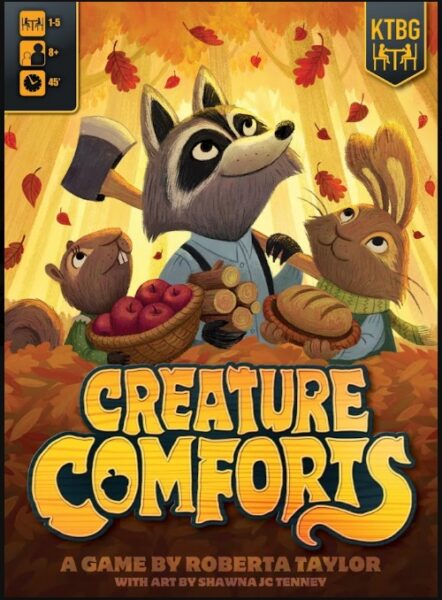
In Creature Comforts, players travel through the seasons of spring, summer, and fall to help their woodland creatures prepare for winter. These adorable animals want the same “creature comforts” we do: warm soup, fuzzy socks, a comfortable rocking chair, and, of course, games! Manage their dice, and send your animals out to gather supplies and goods from the forest.
Wisely plan where they go so you don’t end up with a cold, boring house when winter hits. I’m sure every mother understands the secret stash of kid-friendly supplies that come out on the snowed-in days, including her own stash of coffee or tea!
Learning Cargo
- Resource management
- Strategic Planning
- Decision making
- Adaptability (when dice or resources don’t cooperate!)
Explore Further: Homeschool Lessons
- How do animals store food for the winter?
- How do different animals find shelter during cold weather?
- What animals hibernate, enter torpor, or stay active during winter?
- Which animals migrate for the winter?
Applejack: An Apple Orchard Strategy Game
Game Time: 30-60 min | Players: 1-4 | Ages: 8+
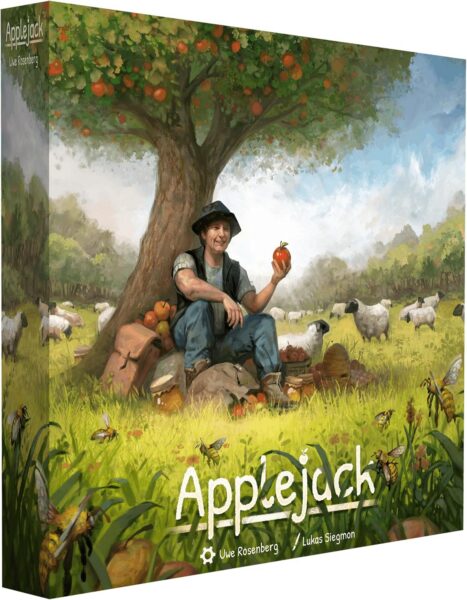
If you groan every time a new pumpkin flavor hits the store in September, maybe you’d like something with apples instead! Managing an apple orchard takes a lot of planning. Players carefully build their orchard using tree tiles filled with apples, blossoms, and beehives, while thinking about where each piece fits best. Strategic placement matters as players connect features, collect honey, and work toward building the most successful orchard. Who can plan the best apple orchard and claim the victory?
This one is perfect for some apple snack recipes: fresh crisp apples, apple pie, caramel apples, apple cider, baked apples…are you hungry now? I am!
Learning Cargo
- Visual-spatial problem-solving
- Strategic connections
- Managing resources
- Evaluating trade-offs
Explore Further: Homeschool Lessons
- Why are bees so important to an orchard?
- How does pollination help fruit grow?
- How many varieties of apples are there?
- What does it take to grow and maintain an apple orchard?
Parks: A National Parks & Geography Game
Game Time: 30-60 min | Players: 1-5 | Ages: 10+
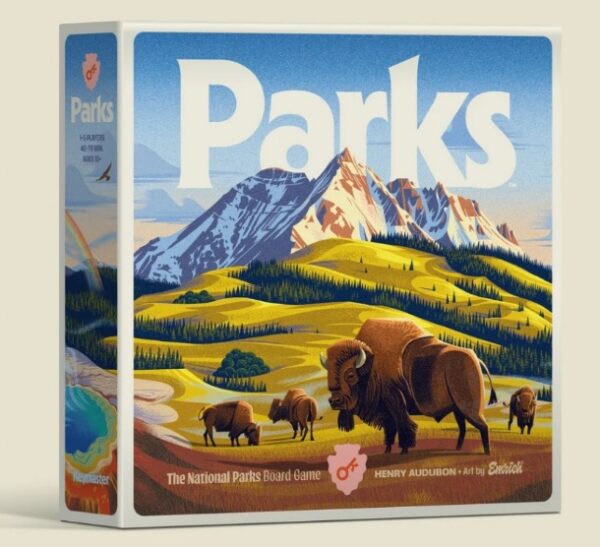
If you think of fall and picture campfires, hiking among orange and yellow leaves, and visiting National Parks when it’s NOT the middle of summer (thanks, homeschooling flexibility!), then get your hiking boots ready for Parks. Players travel the trail across the board, collecting resources, buying gear, taking photos, and visiting parks. Just like hiking Half Dome in Yosemite, you need to plan your route and make the most of your resources.
After you’ve made it through all four seasons, it’s time to tally up who made the most of their year in the parks! Another bonus? This game has stunning artwork of the National Parks. The downside? You’ll suddenly want to convince your spouse to buy an RV and travel the country for the next three years to see all these parks.
Learning Cargo
- Geography
- Nature conservation
- Outdoor preparedness
- Route Planning
Explore Further: Homeschool Lessons
- Pick a National Park to research!
- What is the history behind the National Parks?
- Which National Parks seem the most different?
- How can we help take care of God’s beautiful land?
Ofrenda: A Game of Culture, Family & Remembrance
Game Time: 60 min | Players: 1-4 | Ages: 14+
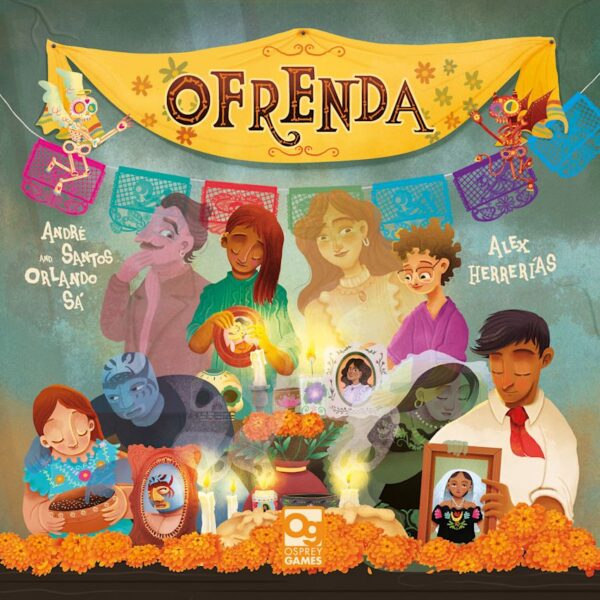
Fall isn’t always about warm food, cozy socks, and campfires. Fall also brings beautiful holidays and cultural traditions from around the world to explore. I love the honor and beauty behind Día de los Muertos, the Mexican observance of All Souls’ Day. If you want to learn more about this celebration through play, Ofrenda is a wonderful choice.
In Ofrenda, players collect family cards and wisely pick the best spot on their ofrenda for each portrait, like furthest away from their least favorite food or next to their favorite cousin. Everyone collects candles, marigolds, and offerings of things their family members loved. Things can get tricky when you’re trying to make everyone happy…as anyone who has planned a family reunion knows!
Ofrenda is more than a game; it raises cultural awareness and gives us a chance to reflect on the importance of remembering and honoring our loved ones who have gone before us.
Learning Cargo
- Cultural studies
- History
- Visual planning
- Pattern building
Explore Further: Homeschool Lessons
- What are some traditions during Día de los Muertos? (Important cultural note: Día de los Muertos is not “Mexican Halloween,” but a meaningful and respected cultural holiday.)
- How can we honor our family members who have passed away?
- Talk about the significance of All Souls’ Day and All Saints’ Day.
- What other traditions from around the world honor the dead?
Sneaky Snacky Squirrel: A Preschool Color & Fine Motor Skills Game
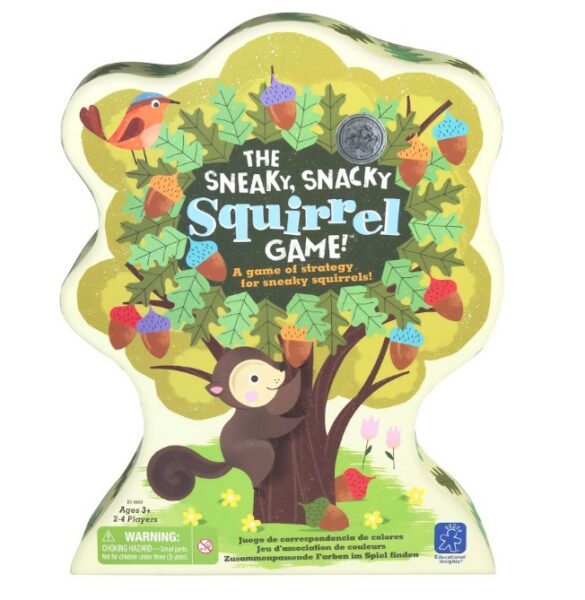
You know what comes with falling leaves in autumn? Falling acorns—and that makes the squirrels happy! My youngest child is now 10 years old, but when he was in preschool, this game came out all the time.
In Sneaky Snacky Squirrel, players collect different colored acorns while watching out for sneaky squirrels and bad weather that can interfere with their stash. Be the first to fill your log with acorns to win. Kind of like that stash of candy you might find hidden in their room around this time of year.
Learning Cargo
- Color matching
- Fine motor skills
- Hand-eye coordination
- Turn-taking
Fall Learning Beyond the Textbook
What can children learn through fall gameschooling? Depending on the game and the child’s age, fall board games can reinforce geography, science, ecology, cultural studies, fine motor skills, strategic thinking, resource management, and problem-solving, all while spending time together as a family. Seasonal games are a great way to naturally spark curiosity and drop the worksheets.
With just a few games, we can already see plenty of natural learning opportunities:
- A young child matches colors and manipulates acorns.
- An elementary-age child learns about squirrels and seasonal animal behavior.
- An older child practices spatial strategy and planning.
- The whole family looks up National Parks.
- A teen explores Día de los Muertos and Mexican culture.
Remember, gameschooling doesn’t mean every game needs an extension activity. Play first. Let curiosity happen naturally.
Ready to Roll?
Embrace the changing season, get cozy, grab a warm drink, and bring out a game. Time spent as a family is never wasted time.
Do you have a game that comes out every fall? I invite you to join other homeschooling parents and me in the Homeschool Connections Community or our Facebook group.
This article contains affiliate links.