Fantasy, Mystery, and Faith: How One Catholic Author Is Creating Better Stories for Teens
Interview with Cara Ruegg, Catholic Author
The need for authentically Christian youth literature has long been recognized. With so many vulgar distractions out there in the world, it’s important that there are wholesome alternatives for young people. Christian literature is a vital component of this wholesome alternative entertainment. However, Christian literature doesn’t simply mean books with an overt evangelical message. In a broader sense, Christian literature encompasses any story that uses narrative to guide the reader towards the good, true, and beautiful. It can be any genre: fantasy, science fiction, mystery, or even romance.
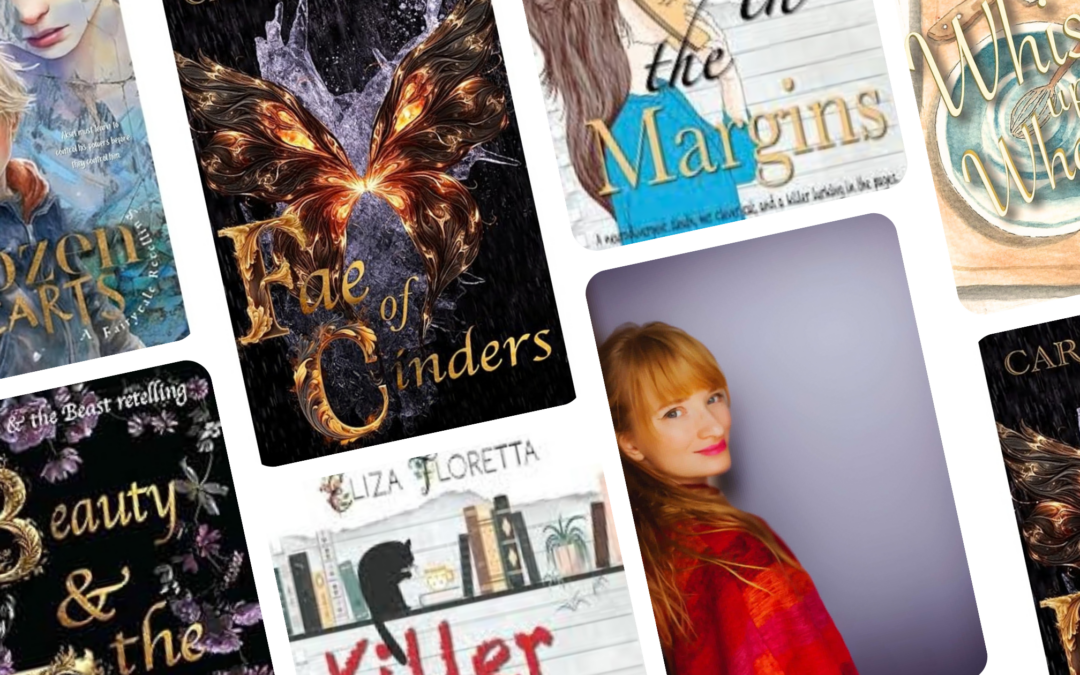
I recently interviewed a fellow Catholic writer and friend of mine, Cara Ruegg-Paraschuk, who is a prolific author creating fun, engaging Christian literature for young people. Cara’s writings explore themes of redemption, romance, and mystery. Cara and her husband live in Canada and homeschool their three children.

How did you discern that you wanted to pursue writing professionally?
I have always enjoyed making up stories since I was very young, even before I could write. In fact, it was in fourth grade, after a teacher complimented my storytelling abilities, that I decided I wanted to be an author.
What is the genre you write in, and what attracts you to that genre?
I write both fantasy and mystery. I publish fantasy under my own name, Cara Ruegg, and mysteries under my pen name, Eliza Floretta. When it comes to what I watch and read, those are the genres I consume the most for entertainment. Ultimately, I write what I enjoy.
One thing I appreciate about your work is how you incorporate romance and go out of your way to make sure it is tasteful. What do you think are important principles to follow for Catholic authors wanting to write romantic scenes that are modest yet impactful?
I focus more on selfless acts and emotions than on the physical. I do write kissing scenes, but they are brief and never focused on the sexual. Temptation to sexual sin is touched on in my book Fae of Cinders because it is a reality, but I focus more on the internal conflict in my character’s head. I would say, for any Catholic author wanting to incorporate romance into their writing, the emotional connection is way more important. I also think it’s important that if these stories touch on themes of sexual temptation, it is painted for the evil that it is, and that the author makes sure to demonstrate the consequences of such behavior.
When romance is well-written, how do you think it adds to the story?
A healthy romance teaches us so much about selflessness and what it means to truly love someone. For teens especially, as they near their adult years, when they may discern marriage, it’s vital for them to see what a healthy romance looks like, and sometimes even what the consequences of an unhealthy romance look like. In my books Fae of Cinders and Killer in the Margins, I include instances of unhealthy romance for contrast. Of course, I do not glorify those toxic traits and, as I said, it’s important to show the consequences.
We have aspiring young authors who read this blog, and I know many of them would like to experiment with writing romantic scenes, but they are a little nervous or don’t know how to proceed. What advice can you give them?
I would encourage them to read Catholic literature that features romance. A good example that I can think of off the top of my head is The Masterful Monk by Owen Francis Dudley, which portrays a beautiful and selfless romance unfolding alongside a spiritual conversion.
Tell us about your newest book.
I have two! My most recently published books are Beauty & the Fae and Whisking up Whodunits, both of which came out around the same time. Beauty & the Fae is the second book in my Fae of Cinders series. It is a retelling of the “Beauty and the Beast” story and follows the same characters as the previous book, which was a Cinderella retelling. It features epic battles both between kingdoms and hearts, a king who must overcome his weaknesses, and a woman who helps him do so.
Whisking Up Whodunits is one of my cozy mysteries featuring a grandmother-and-granddaughter duo. Emma, the grandmother, owns a bed & breakfast on the shores of Lake Erie. Chloe, her teenage granddaughter, is sent off to visit her after a heated argument with her mother. At its heart, it’s a story about mending generational rifts, forgiveness, and uncovering the truth behind a local murder.
In Closing
Those interested in following Cara’s work can check her out on Instagram or her author profile on Amazon.
If you’d like to learn more about writing fiction yourself, make sure to check out Homeschool Connections’ full slate of Creative Writing Courses Online. For personalized guidance or questions about placement, please email customer service at homeschoolconnections@gmail.com. They will be happy to help you find the right fit for you or your young author.
What are your thoughts on this topic? I invite you to join other homeschooling parents and me in the Homeschool Connections Community or our Facebook group.
This article contains affiliate links.